

Harvard GSD Design Discovery
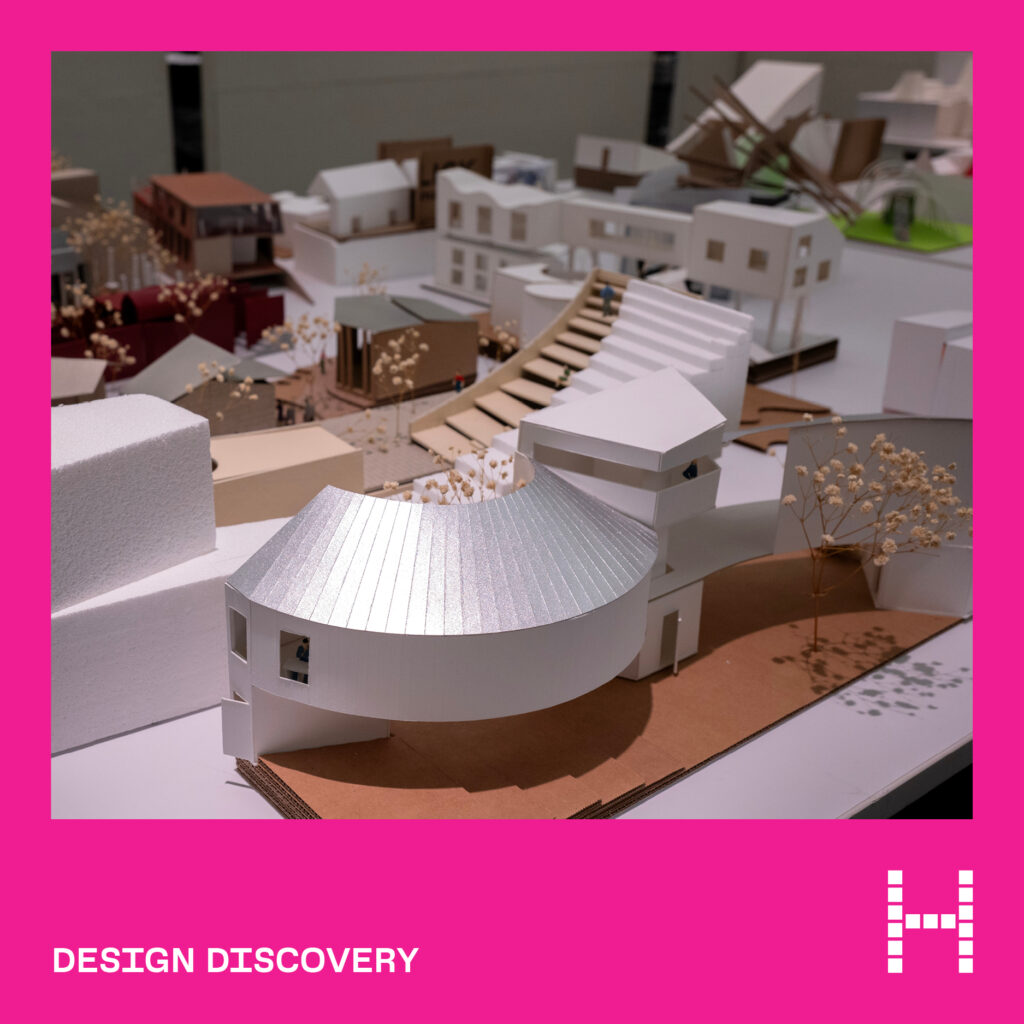
Three weeks in-studio in Gund Hall, the hub of Harvard’s Graduate School of Design, doing in-depth study of the design discipline of your choice: Architecture, Landscape Architecture, or Urban Planning + Design. You’ll model, fabricate, assemble, and present your work in pin-ups and reviews. Includes access to digital design software as well as the GSD’s Fabrication Lab and Francis Loeb Library, one of the foremost design collections in the country. No design background necessary.
Overview
Design Discovery (DD) is a three-week academic program held on-site at the Harvard Graduate School of Design (GSD) in Cambridge, MA. This program affords participants an in-depth study of a selected design discipline of their choosing: Architecture, Landscape Architecture, or Urban Planning + Design. Participants must be at least 18 years old with a high school diploma or equivalent, but do not need to come with a design background. The program explores the immense potential of design to impact the built and natural environment, and develops design thinking skills by engaging various materials and scales.
In complement to the Design Discovery Virtual program’s digital media emphasis, Design Discovery Program participants design for contemporary issues with an emphasis on hands-on physical modeling, material capacities, fabrication, and assembly. Completion of Design Discovery Virtual is not a prerequisite for enrollment in Design Discovery, however, participants unsure about which discipline to pursue may benefit from Design Discovery Virtual’s survey approach, before selecting a discipline to pursue at depth in Design Discovery. The two programs are designed with separate, complementary goals and are not copies of one another.
Design Discovery is taught by a diverse group of Harvard GSD faculty, master’s students, and doctoral candidates, and includes interaction with a broad network of design talent invited as guest lecturers and critics for the program. Successful participants receive a GSD design certificate, participant evaluation written by their studio instructor, and produce a draft portfolio of design work, all of which can be shared with admissions committees, current and potential employers, collaborators, clients, and other colleges and universities for course credit consideration.
Program Summary
- Three weeks in person at Gund Hall in Cambridge, MA.
- Audience ages 18 and up. No design experience required.
- One discipline, in depth: Architecture, Landscape Architecture, or Urban Planning + Design.
- Hands-on physical modeling and fabrication.
- Access to the GSD Fabrication Lab and Francis Loeb library.
- Taught by Harvard GSD faculty and advanced GSD master’s students & doctoral candidates. Maximum of 10 participants per instructor.
- Earn a Harvard GSD design certificate, leave with written evaluation and work portfolio.
APPLICATIONS FOR DESIGN DISCOVERY 2027 WILL BE AVAILABLE IN JANUARY. CHECK BACK FOR UPDATES IN THE NEW YEAR.
Who attends
Open audience. Open outcome. Design Discovery students represent a vast and growing range of ages, lifestyles, and training (most have little to no previous design experience). This contributes to stimulating design learning discussions in studio.
Many participants are college students or recent graduates, but the program is also helpful to professionals in their thirties, forties, or beyond who are interested in learning about design to inform their current work, are considering a career change, or who simply want to learn more about the built environment and design thinking. We host an average of 225 participants per year. In our recent program cycle, participants from 19 different countries and 33 U.S. states joined us to discover design, bringing with them backgrounds in anthropology, international affairs, marine science, nutrition, public policy, entrepreneurship, and more.
For international participants: Please note that Design Discovery requires you to have a valid, pre-existing F-1 student visa for participation. The GSD cannot sponsor your visa. If you are not currently a student and do not have an F-1 visa, Design Discovery Virtual is for you. Study all three disciplines with the same faculty. Earn the same certificate. Designed from the beginning for a global cohort.
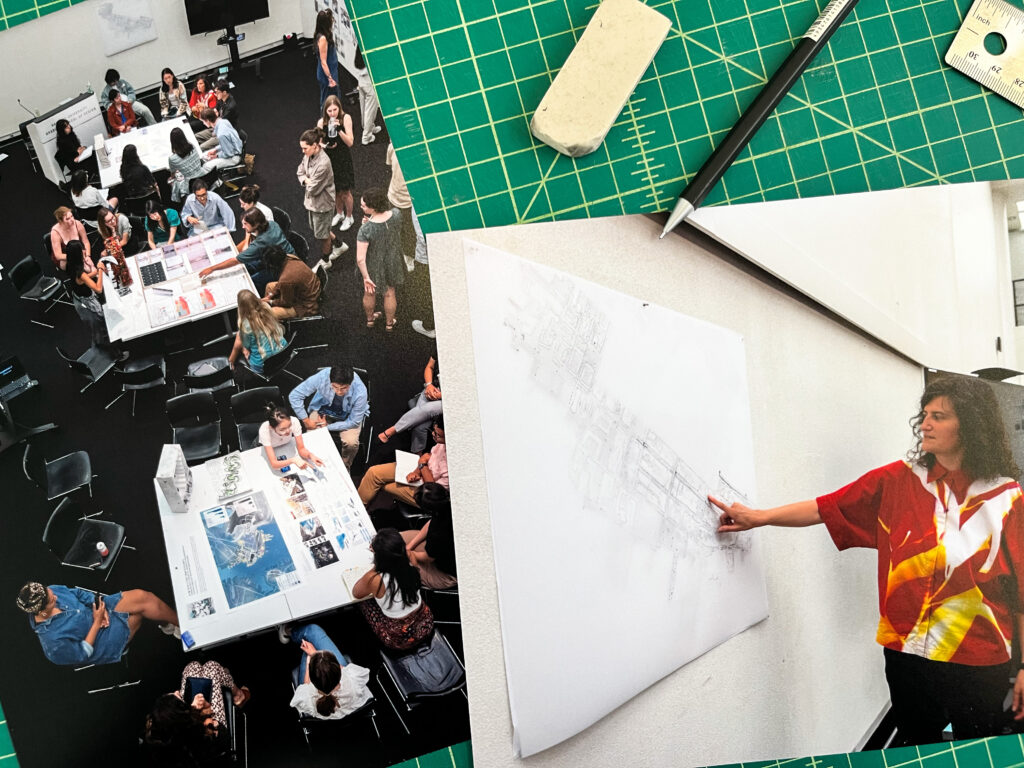
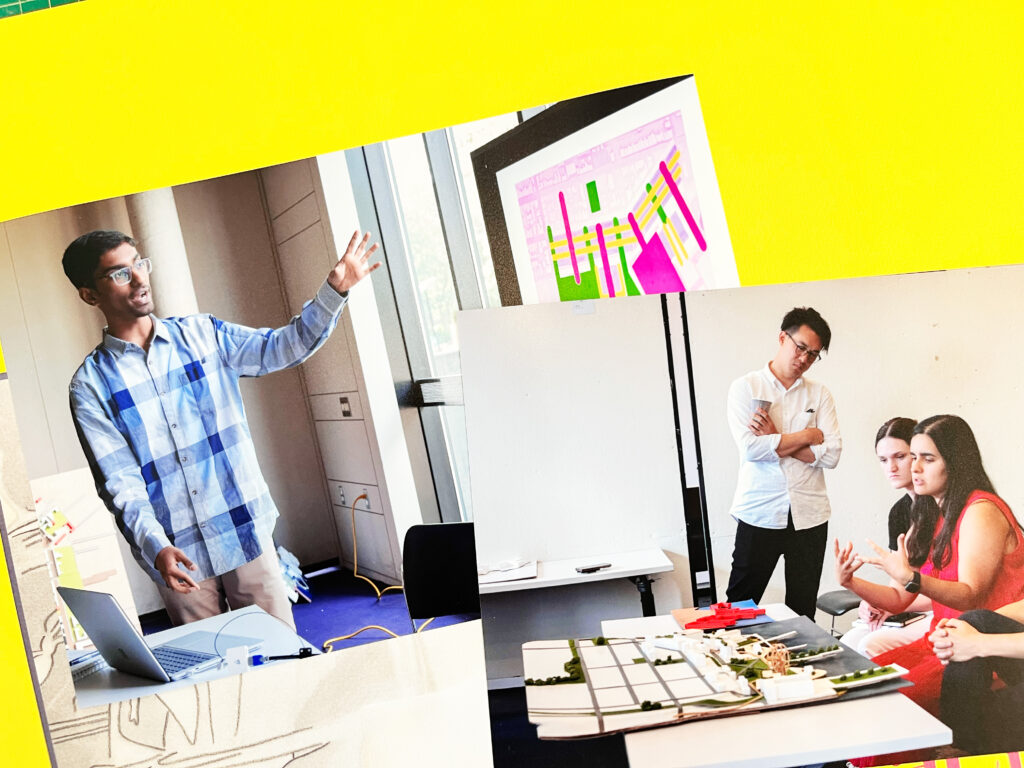
Life of the program
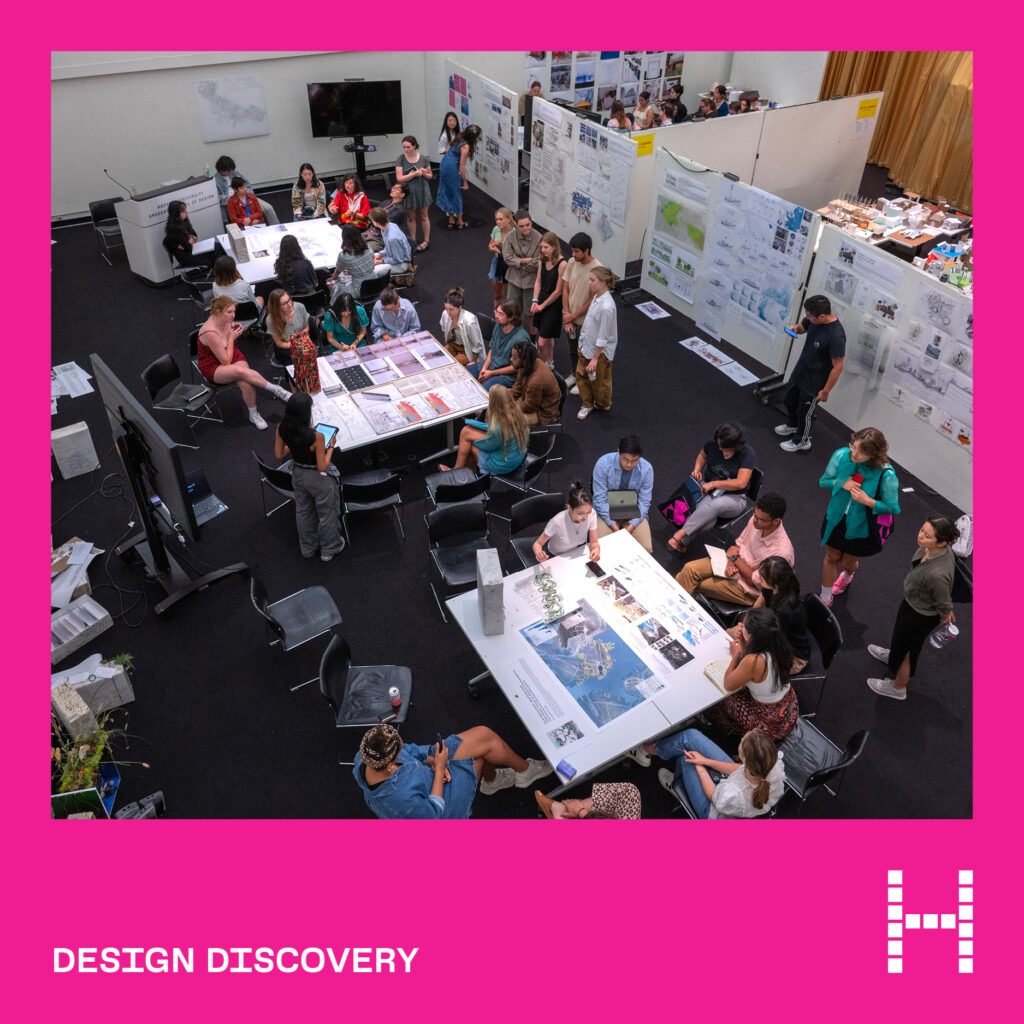
Learning Format
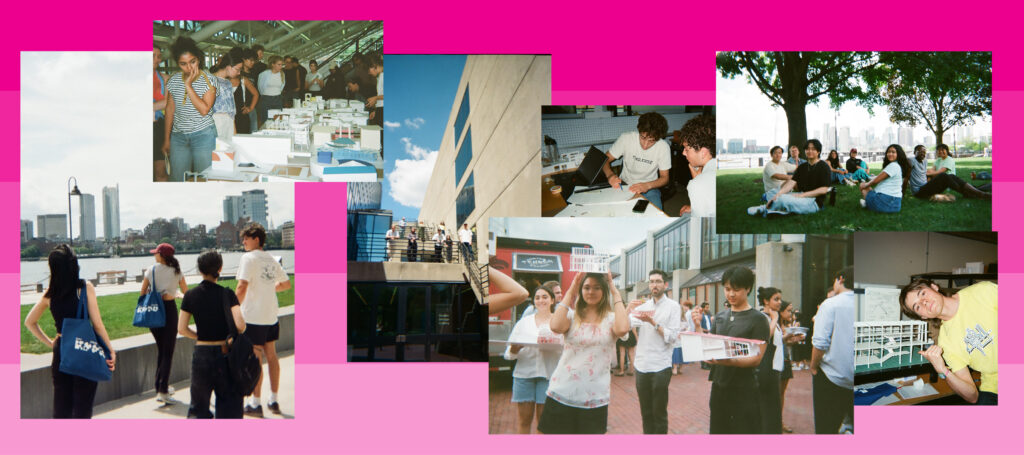
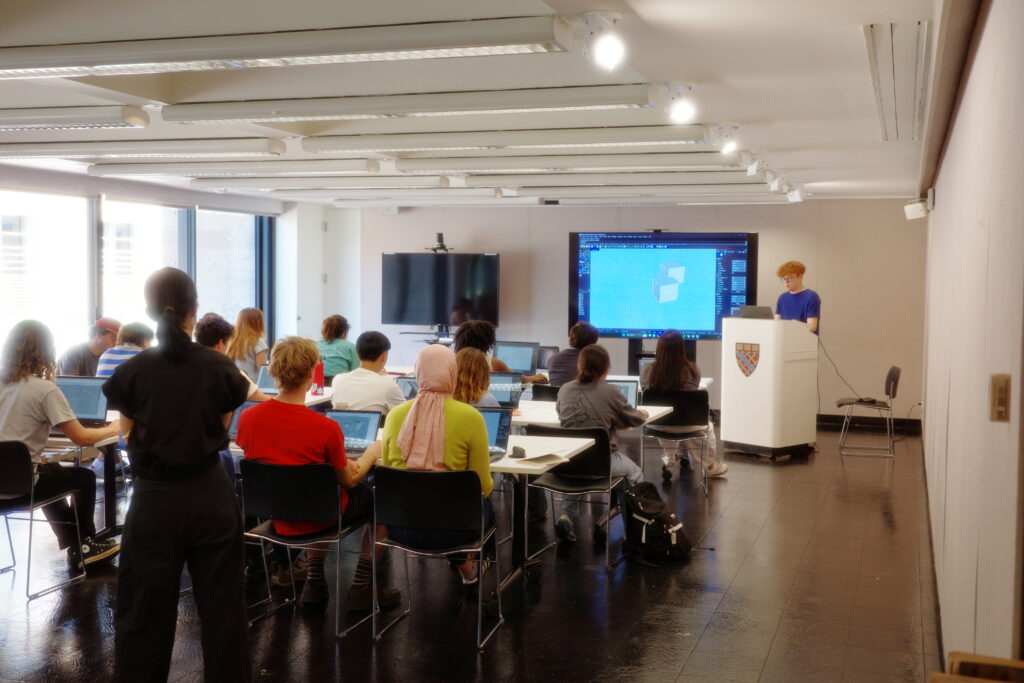
Design Discovery participants commit themselves fully to a path of intensive thinking through making within the studio of Gund Hall at Harvard’s Graduate School of Design. The program pairs studio design time at the desk with a series of lectures and workshops on the process of design, representation of ideas and intentions, as well as fabrication and modeling demos. Design Discovery is a full-time commitment that affords deep immersion in a culture that is both challenging and rewarding. Participants experience education and in the design and planning professions, and emerge inspired by design, with a more profound understanding of new possibilities and their own interests in design.
The purpose of Design Discovery is not solely to produce the next generation of professional architects, although we certainly have. This program is as much about the toolset of becoming a designer as it is the mindset of design thinking; the processes, mental habits, and methods of research and collaboration that are second-nature to designers which can be applied to all fields of work and areas of study.
If you are participant with a disability or medical condition in need of accommodations, please contact [email protected]. To avoid delay in services, we ask that requests be made at least two weeks in advance of the program start.
Studio Format
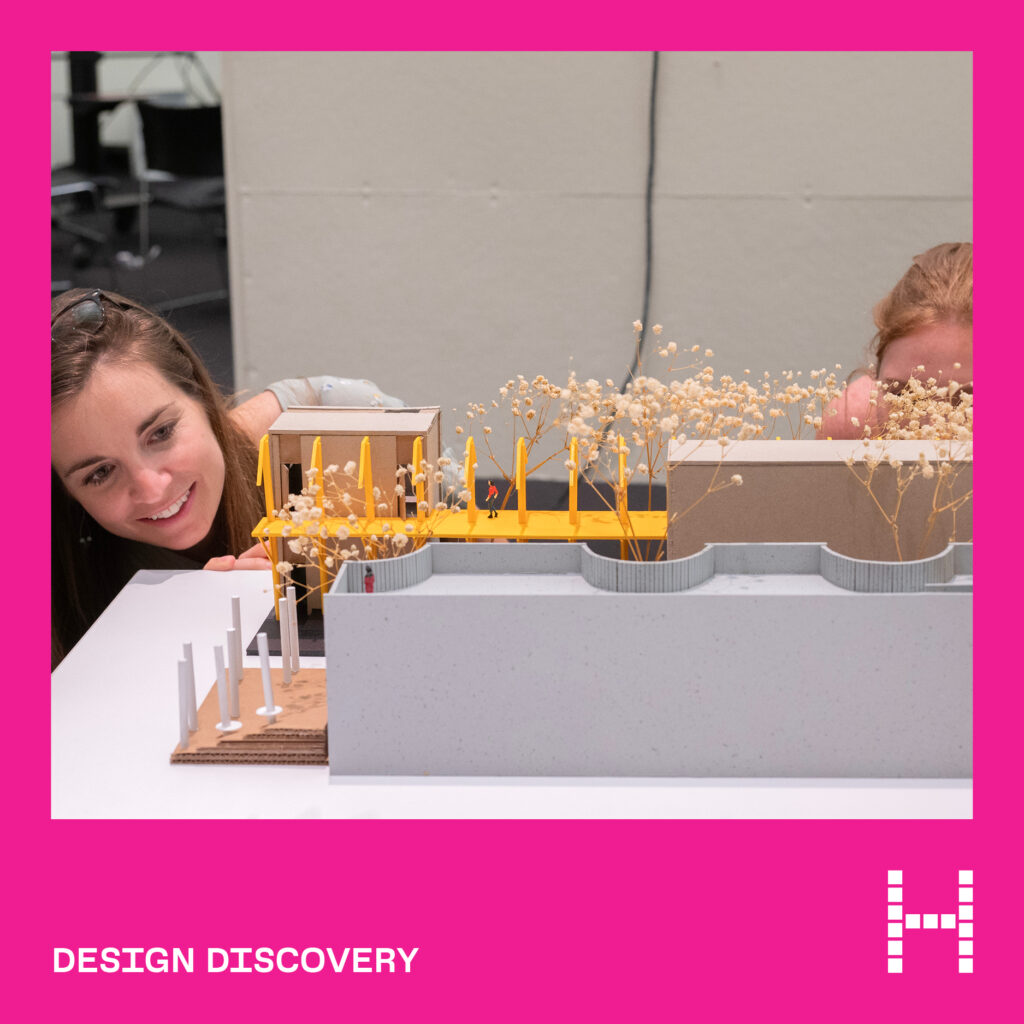
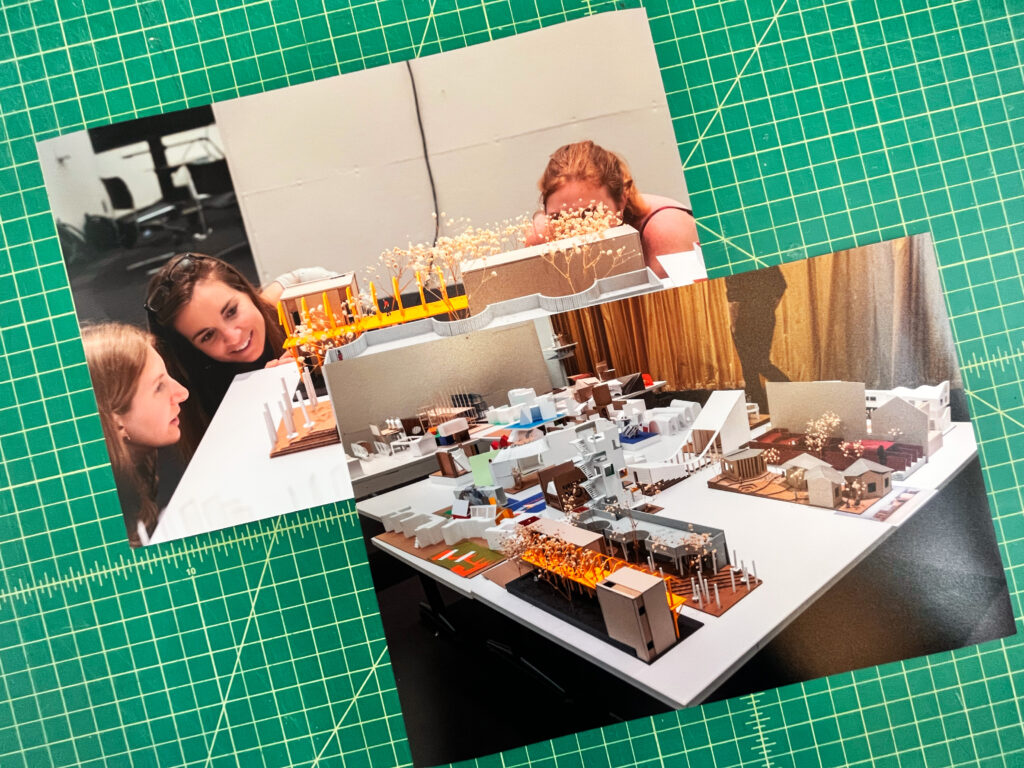
Design Discovery studios focus on short, intensive projects similar to first-year graduate school projects within your selected concentration. Studios involve one-on-one guidance from design instructors, group discussion and reviews about design work, training sessions in graphics and model making skills, and individual presentations to instructors and guest professionals. Participants have direct access to select spaces within the GSD’s Fabrication Lab and Frances Loeb Library — one of the country’s foremost design and planning libraries.
Concentrations
As a Design Discovery student, you will engage in an iterative exploratory design process of drawing, fabrication and model making within the context of a design studio. This process will help build your ability to translate observations about the world into a visual and spatial language. We ask all Design Discovery in-person participants to select a single concentration for their study among three possible disciplines described below. Within three weeks of the program start date, we cannot make changes to a selected concentration. You will receive instruction in the fundamental design methodologies specific to the discipline that you select as your program concentration:
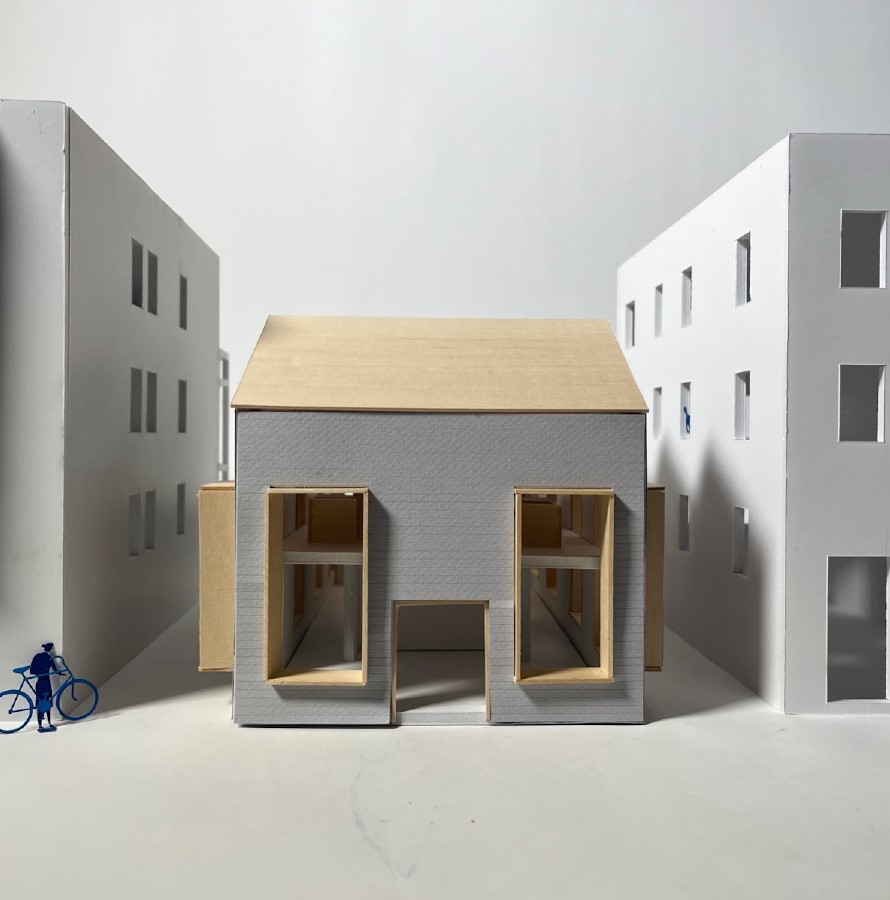
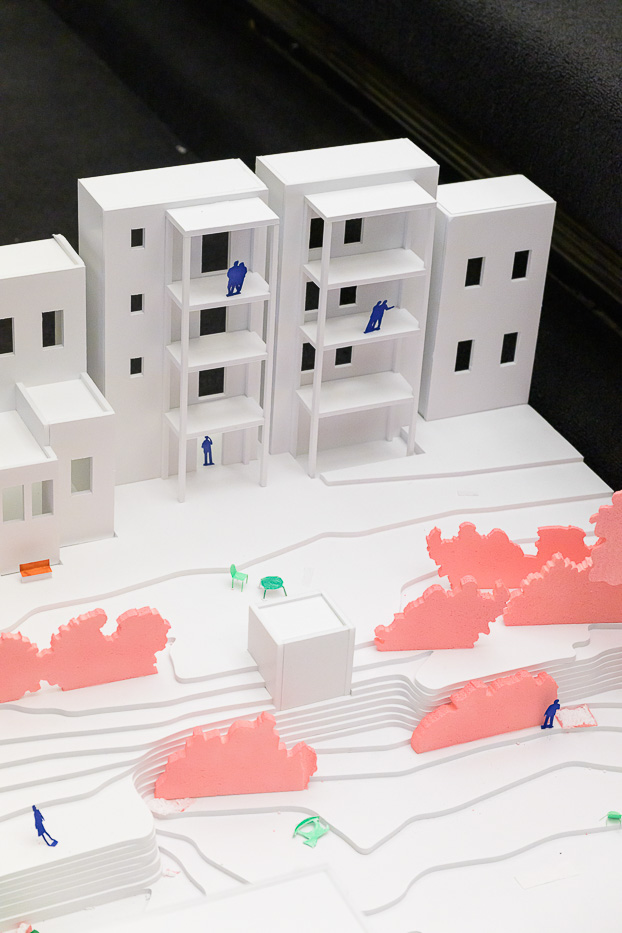
- Architecture is the design of individual buildings and their contexts, with the understanding that, through the scale of elements that comprise them, buildings are the choreographers of dynamic conditions both inside their walls and within their local surroundings.
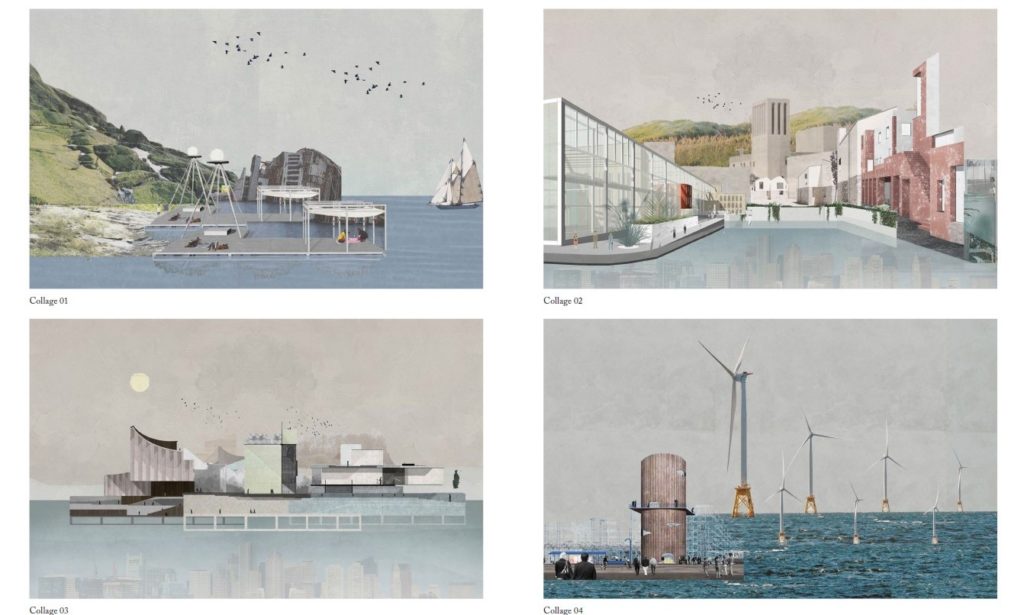
- Landscape Architecture is the design and preservation of built and natural landscapes, from rural landscapes to urban parks and infrastructure projects.
Design Discovery 2022
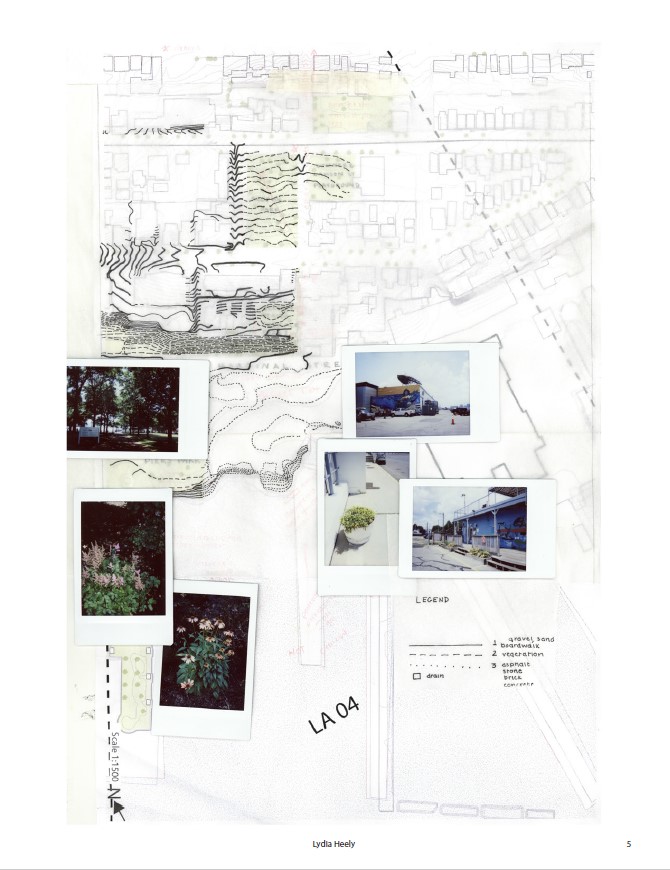
- Urban Planning + Design is the analysis and synthesis of forces that shape and reshape the built environment at the scale of the city, with a focus on envisioning and illustrating places that reflect and support the diverse needs of society.
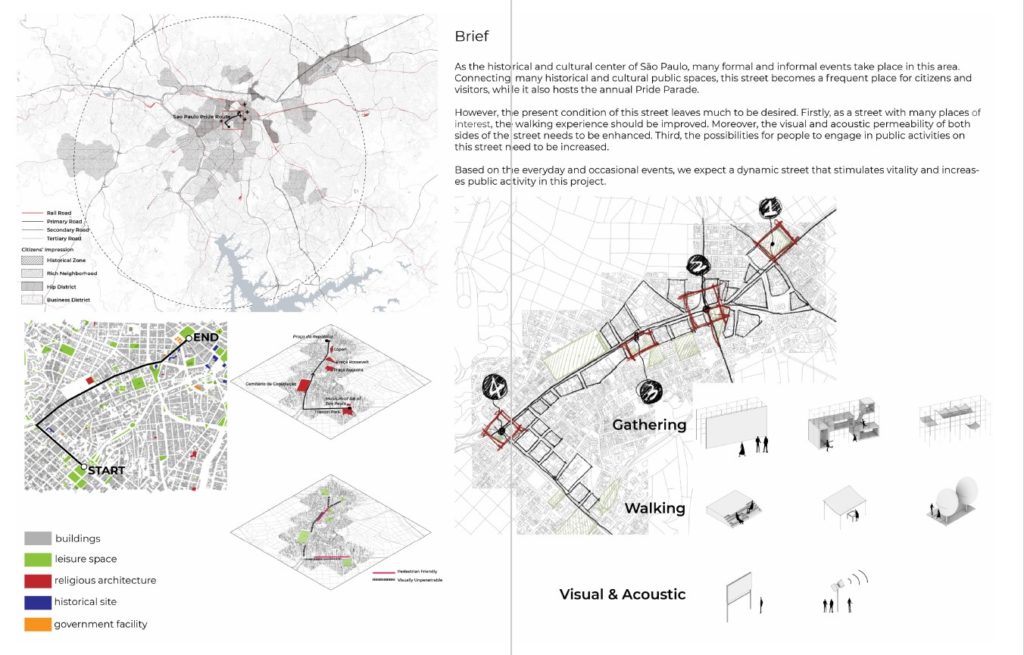
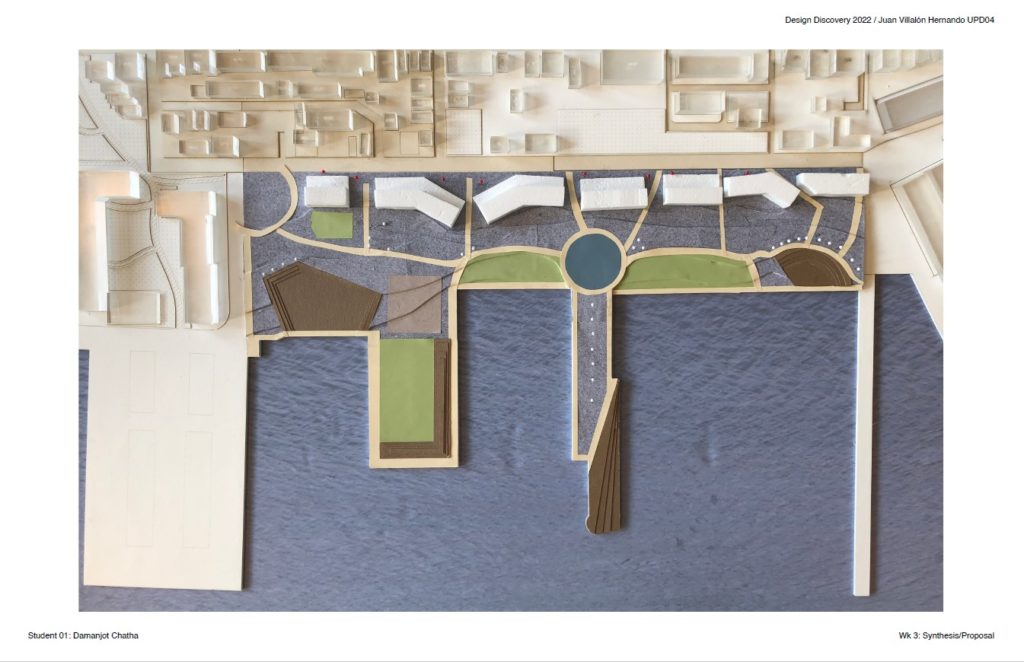
To see more examples of student design work and the life of this program, follow us @designdiscoveryharvardgsd on Instagram.
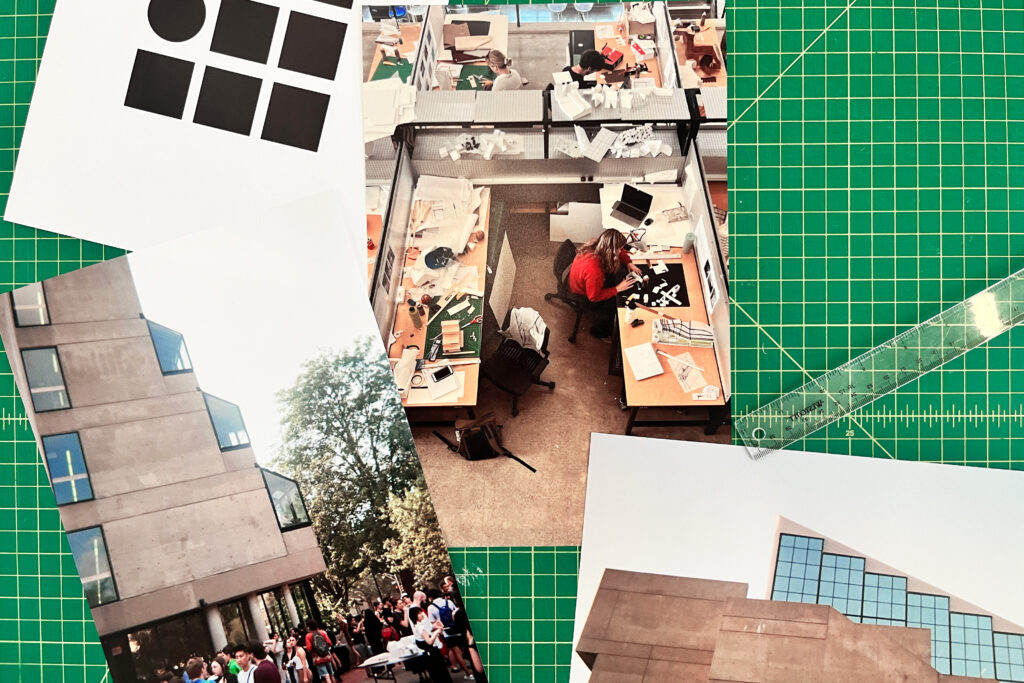
Schedule
| Monday | Tuesday | Wednesday | Thursday | Friday | Saturday + Sunday |
| 10:00-11:00am Lecture by design or planning professional | 10:00-11:00am Lecture by design or planning professional | 10:00-11:00am Lecture by design or planning professional | 10:00-11:00am Lecture by design or planning professional | 10:00-11:00am Work time in studio | Studios open during weekend |
| 11:15am-Noon Introduction to studio problem | 11:15am-Noon Design Seminar | 11:15am-Noon Making techniques wkshp | 11:15am-Noon Making techniques wkshp | 11:15am-Noon Making techniques wkshp | |
| Noon-1:00pm Lunch | Noon-1:00pm Lunch | Noon-1:00pm Lunch | Noon-1:00pm Lunch | Noon-1:00pm Lunch | |
| 1:00-6:00pm Review of studio problem | 1:00-6:00pm Studio | 1:00-6:00pm Studio | 1:00-6:00pm Studio | 1:00-6:00pm Studio | |
| Studios open until 12:00am | Studios open until 12:00am | Studios open until 12:00am | Studios open until 12:00am | Studios open until 12:00am |
Sample schedule of typical week
Evaluation + Certificate
Successful Design Discovery participants receive a Harvard GSD design certificate, a written evaluation from their instructor, and a draft portfolio of their own design work.
Faculty + Staff
Section Instructors
Design Discovery sections are taught by graduating or advanced GSD students who have a professional and academic specialty in the design discipline they are teaching. Sections strive for a maximum of ten students per instructor. Each section is coordinated by current GSD faculty.
Coordinating Faculty
Architecture
Urban Planning + Design
Landscape Architecture
Program Director
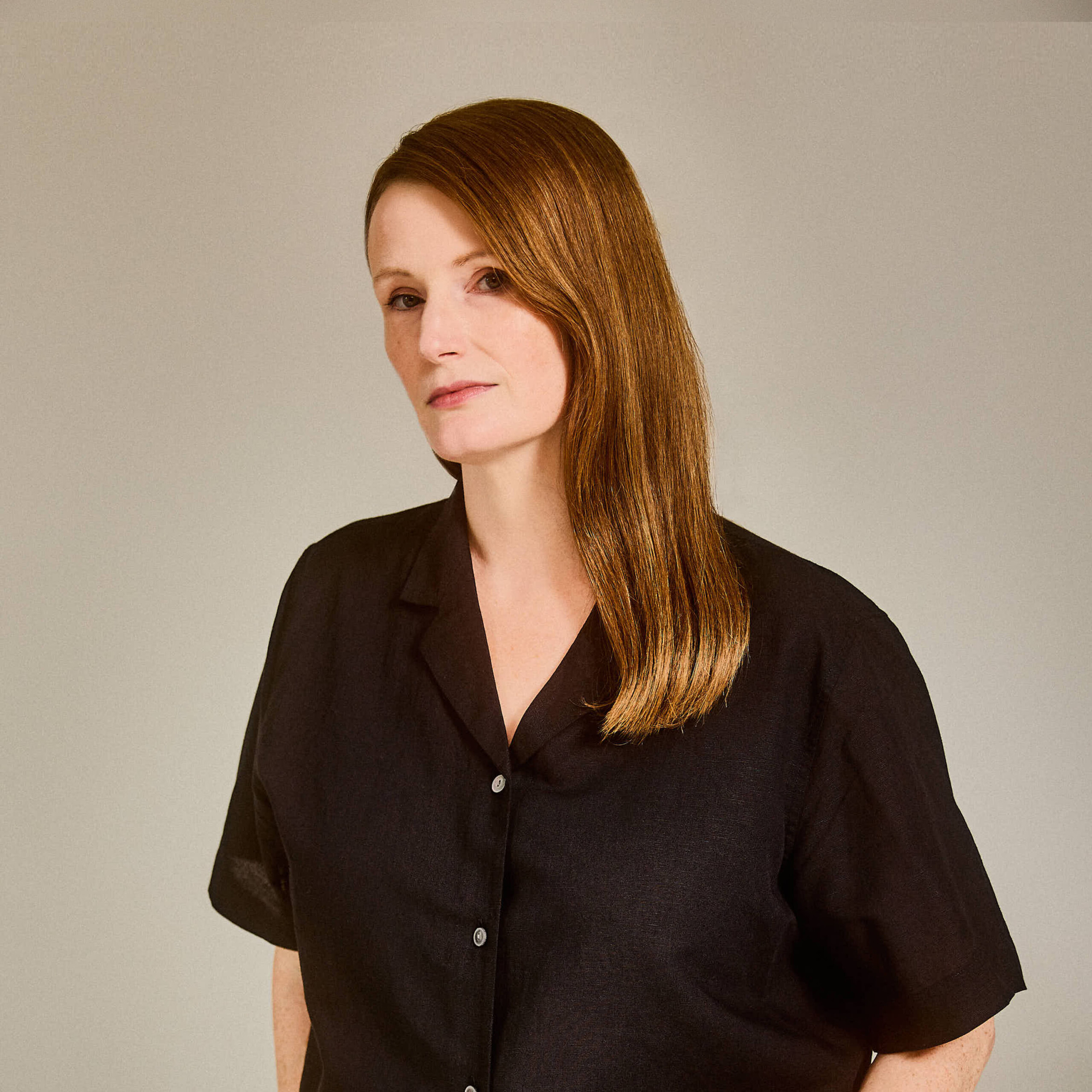
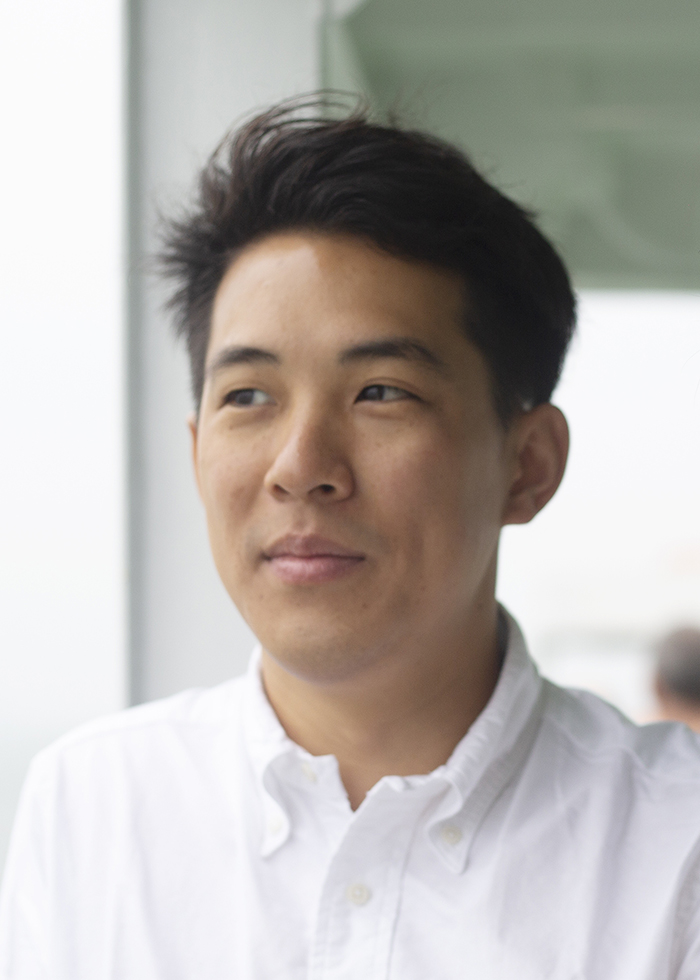


Megan Panzano
Lecturer in ArchitectureExecutive Director of Early Design, Online, and Executive EducationView ProfileLecturers
Design Discovery invites exceptional professionals and academics to give lectures and join career panel discussions on design, history, theory, office practice, and other aspects of each profession. Speakers are often available for informal conversations afterward.
Past speakers have included:
- Chana Haouzi and Matthew Okazaki of Architecture for Public Benefit
- Alice Brown of Boston Harbor Now
- J Jih of studio J.Jih
- Alex Anmahian, Principal of Anmahian Winton Architects
- Maurice Cox, director of planning and development for the city of Detroit
- Gary Hilderbrand; partner at Reed Hilderbrand Landscape Architecture
- D’Wayne Edwards, footwear designer and founder Pensole Footwear Design Academy
- Seth Gordon, Film Director and Producer
- Alex Krieger, professor in Practice of Urban Planning and Design at Harvard Graduate School of Design
- Christian Long: Design Share
- Kathryn Madden, Critic in Urban Planning and Design at Harvard University Graduate School of Design; Principal of Madden Planning Group
- Thomas Lyons Mills, Professor of Foundation Studies at the Rhode Island School of Design
- David Saladik: MASS Design Group
- Kirk A. Sykes, Senior Vice President and President of Urban Strategy America Fund
- Maryann Thompson, Adjunct Professor at Harvard University Graduate School of Design; Founder of Maryann Thompson Architects
- Charles Waldheim, John E. Irving Professor of Landscape Architecture and Chair of the Department of Landscape Architecture at Harvard University Graduate School of Design
Tuition + Financial Aid
Tuition for the Design Discovery Program is $2,800. This includes access to the Adobe software suite, Rhino 3D modeling software, a program design supply kit, two catered events, an exclusive Harvard GSD Early Design Education canvas tote, and other program swag. Program participants may also want to purchase additional materials and supplies for projects throughout the course of the program at their own discretion.
Payment Policy
A nonrefundable application fee of $85 be be paid in full for each application before the application deadline in order to be considered for admission.
Financial Assistance
Financial aid takes into account many factors. We aim to offer financial assistance to those applicants who identify the greatest need in order to participate in our program.
To apply, please submit a Financial Aid Application Form along with the required documentation by the program application deadline. Please see the application for more information. This form will be available to complete within your program application.
Please Note: Design Discovery financial aid is not federally subsidized and is available to U.S. citizens and permanent residents only. International students are not eligible to apply. Requests for aid will not be considered without a completed program application. Late applications will not be considered.
Tuition and Financial Aid FAQ
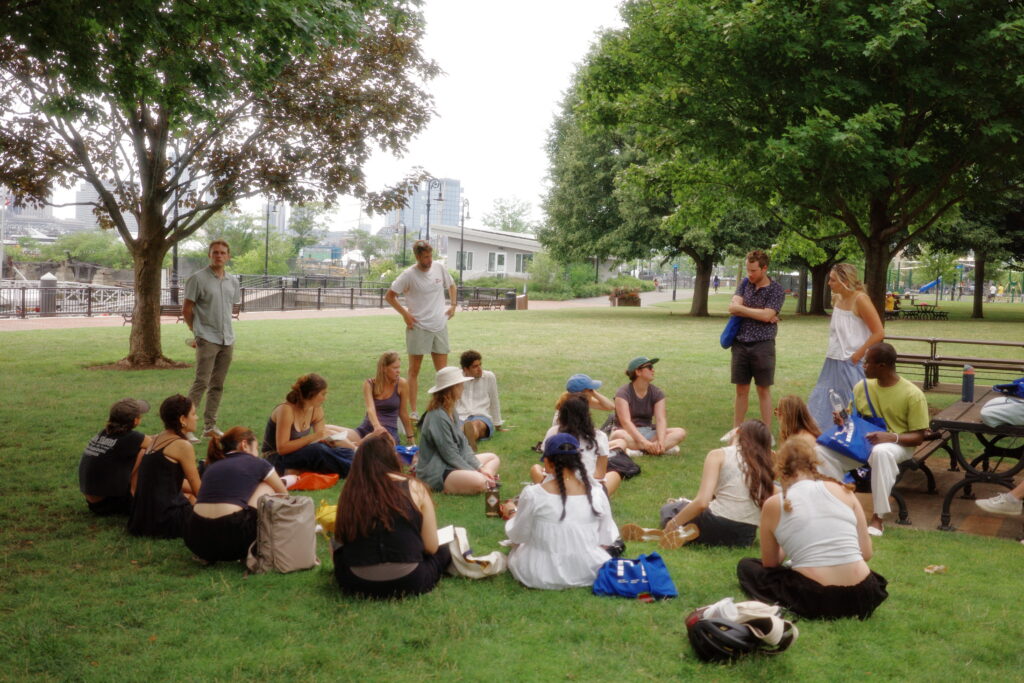
Housing
The cost and reservation of Boston area housing for the Design Discovery in-person program is up to each accepted participant to arrange. Neither Harvard nor the GSD have dorms to offer to Design Discovery participants. Upon acceptance of your application to the program, we encourage you to review the housing resources we have collected for you here and make your housing arrangements for the duration of the program as early as possible.
Things to consider when looking for housing:
- Location: You will be spending most of your time in Gund Hall. Be sure to take into consideration how far your rental is from the school and if transportation is easily accessible.
- Budget: Apartments in the Cambridge area can be costly. Take into consideration what amenities you absolutely need and which ones you can live without.
- Roommates: Do you want to share a room with another person for the program?
Housing Resources
- UniSova University Housing & Marketplace
- Harvard Off-Campus Housing
- AirBnB
- ApartmentList
- Craigslist
- Padmapper
- Rent.com
- Sublet.com
- Massachusetts Tenant Rights, Laws, and Protections
Apply
To apply for Design Discovery, please submit the following required materials with your online application:
- Application Fee: A non-refundable $85 application fee is due upon application submission.
- Statement of Intent: Please tell us what you hope to achieve by attending this design program (in 250 words or less).
- Resume or CV (PDF) which includes the following information: employment; education; extra-curricular collegiate and community activities (note whether an office held was elected or appointed); honors; awards; professional registration; professional societies; publications; avocations; hobbies; travel. If you served in the military, indicate rank on entry and rank on separation.
- Academic History
- University Transcripts A scanned copy of your transcripts should be submitted with the program application from all colleges and universities from which the applicant has received credit. When uploading a transcript, please make sure the scanned version is legible. Transcripts that are not in English must be accompanied by a certified English translation. If the university or college does not issue transcripts, a certified letter and certified English translation must be provided. It should list courses and examinations taken, grades, and degrees and dates of degrees received. Admitted students who have attended a school outside of the U.S. may be asked to submit a WES (World Education Service) certified transcript, at the applicant’s expense.
- Upload .jpg, .tiff, or PDF image files of your original design work or photography (optional)
- Financial Aid Application (optional, U.S. applicants only)
In order to comply with applicable US sanctions and export control regulations, Harvard prohibits access to and use of its educational offerings, programs and resources by (i) individuals located in or ordinarily resident in comprehensively sanctioned regions, and (ii) individuals who are otherwise subject to US government sanctions, unless the activity is authorized by a general or specific license or is otherwise exempt from sanctions regulations. Harvard may decline, suspend, or terminate an application, enrollment, or access to course materials as necessary to comply with these requirements.
Application Deadlines
Applications and application fees are due by the program application deadline, April 19, 2027. Early completion of the application and application fee are encouraged! Please see below for the detailed deadlines for the upcoming program cycle.
The 2027 Design Discovery program will run from July 12 – 30, 2027.
| Design Discovery Deadline | Date |
|---|---|
| Online Application Opens | January 2027 |
| Application Deadline (including Financial Aid Applications) | April 19, 2027 |
| Admission Decisions + Aid Awards Sent to Applicants | April 26, 2027 |
| Registration/Tuition Payment Deadline | April 30, 2027 |
| Cancellation Deadline for Full (100%) Refund* | July 5, 2027 |
| Withdrawal Deadline for Partial (50%) Refund* | July 16, 2027 |
*You may cancel or withdraw from the program by emailing [email protected].
Frequently Asked Questions
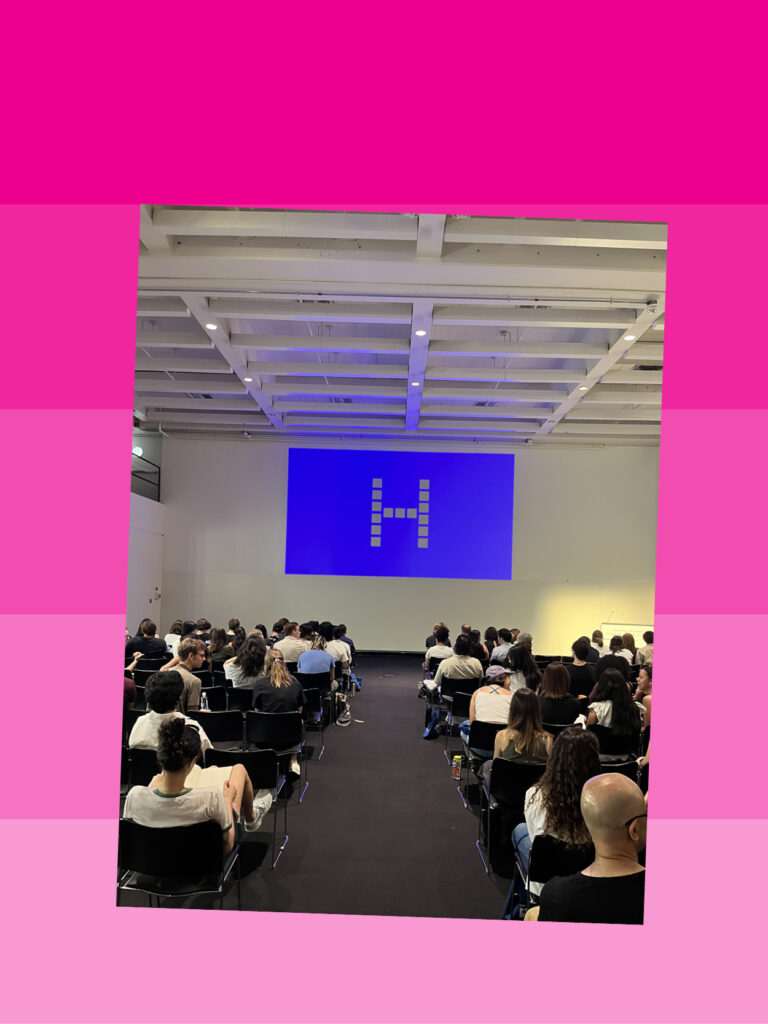
Do you want to be kept informed about the Harvard GSD’s Design Discovery programs? Please join our newsletter here to get the latest updates!
follow Harvard GSD Design Discovery on Instagram, Facebook and LinkedIn for more information!